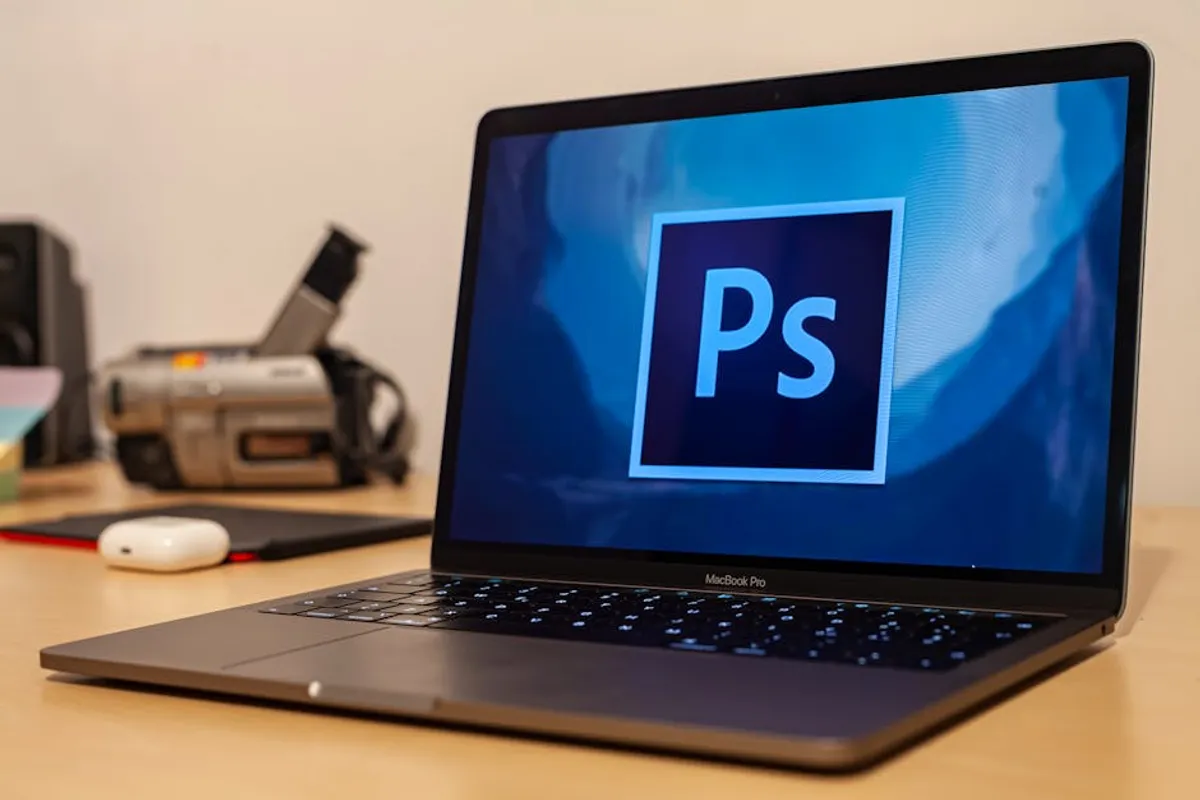
Adobe Photoshop 7.0, released in 2002, represented a professional benchmark for image editing at the time. However, its architecture predates modern operating systems, hardware advancements, and contemporary digital workflows. Running Photoshop 7.0 on current PCs often leads to compatibility issues, performance bottlenecks, and a lack of essential features prevalent in today's software. Users encounter problems ranging from unstable operation on 64-bit systems and multi-core processors to an inability to handle high-resolution displays or modern file formats like HEIC or WebP efficiently. Furthermore, it lacks non-destructive editing layers, advanced AI-driven tools, cloud integration, and robust color management for modern print and web standards. The absence of security updates also poses a risk in networked environments. This necessitates a transition to an alternative that provides stability, performance, and the feature set required for contemporary graphic design, photography, and digital art.
What to Look For in an Alternative
When migrating from an outdated platform like Photoshop 7.0, consider several key attributes in a modern alternative:
- Non-Destructive Editing: The ability to make changes without permanently altering the original image data is fundamental for flexibility and iteration in professional workflows. This includes adjustment layers, smart objects, and masks.
- Layer Support and Management: Robust layer functionality, including grouping, blending modes, and layer effects, is crucial for complex compositions and efficient organization.
- Performance and Stability: The software must leverage modern hardware effectively, offering smooth operation, quick rendering, and reliable performance on current operating systems.
- Color Management: Accurate color reproduction and consistent profiles (e.g., sRGB, Adobe RGB, CMYK) are vital for both digital display and print output.
- Toolset Breadth: Evaluate the range of selection tools, retouching brushes, filters, and transformation options. Ensure it meets your specific needs, whether for photo manipulation, digital painting, or graphic design.
- File Format Compatibility: Support for a wide array of image formats, including PSD (for legacy files), TIFF, JPEG, PNG, WebP, and raw camera formats, is essential for interoperability.
- User Interface and Experience: While familiarity with Photoshop 7.0's interface might be a factor, a modern, intuitive UI can significantly improve productivity. Consider customizable workspaces and efficient tool access.
- Cost Model: Options range from free and open-source software to one-time purchases and subscription services. Align this with your budget and long-term operational costs.
- Community and Support: Access to tutorials, forums, and customer support can be invaluable for learning and troubleshooting.
1. GIMP (GNU Image Manipulation Program)
GIMP is a free and open-source raster graphics editor widely regarded as the most direct free alternative to Photoshop. It offers a comprehensive suite of tools for image retouching, composition, and authoring. GIMP supports a broad range of file formats, including its native XCF, and can handle various image manipulation tasks from simple cropping to complex layer-based edits. Its development is community-driven, ensuring continuous updates and feature additions, though sometimes at a slower pace than commercial software. It runs across Windows, macOS, and Linux, providing cross-platform accessibility.
Key Features: Layer management, advanced selection tools, customizable brushes, filters and effects, color correction, animation package (GIF creation), extensive plugin support.
Pricing: Free and open-source.
Best For: Users requiring a powerful, no-cost photo editor for general image manipulation, graphic design, and web graphics, especially those comfortable with a non-Adobe interface or working on Linux.
Pros:
- Zero cost of acquisition and use, making it highly accessible for individuals and small businesses.
- Extensive feature set capable of professional-level work, including advanced masking and blend modes.
- Cross-platform compatibility (Windows, macOS, Linux) ensures broad accessibility regardless of operating system.
- Large, active community provides ample tutorials, support, and third-party plugins to extend functionality.
Cons:
- User interface can feel less intuitive or polished compared to commercial alternatives, especially for those accustomed to Photoshop's workflow.
- Lacks native CMYK support, which can complicate print-specific workflows requiring accurate color separation.
- Performance can sometimes lag on very large files or complex operations compared to optimized commercial software.
- Steeper learning curve for new users due to its unique UI and terminology.
2. Affinity Photo
Affinity Photo is a professional-grade image editing application developed by Serif. It's designed to compete directly with Photoshop, offering a comprehensive feature set for photo editing, retouching, and digital painting. A key differentiator is its one-time purchase model, contrasting with Adobe's subscription. Affinity Photo emphasizes performance, non-destructive editing, and a streamlined workflow. It supports raw image editing, HDR merging, panorama stitching, and focus stacking, alongside a full suite of layer-based editing tools. The application is available for Windows, macOS, and iPadOS, providing a consistent experience across devices.
Key Features: Non-destructive live filters, raw development persona, full layer support, advanced selection tools, frequency separation, comprehensive retouching tools, 32-bit editing, full CMYK and Lab color support.
Pricing: One-time purchase per platform (Windows, macOS, iPadOS).
Best For: Professional photographers, graphic designers, and digital artists seeking a powerful, feature-rich Photoshop alternative with a perpetual license model, offering high performance and a modern UI.
Pros:
- Perpetual license model eliminates recurring subscription costs, providing long-term value.
- Offers a highly performant and responsive editing experience, even with large files and complex operations.
- Comprehensive feature set, including advanced non-destructive editing, raw processing, and professional color spaces (CMYK, Lab).
- User interface is modern and customizable, often considered more intuitive than GIMP for Photoshop users.
Cons:
- Lacks certain advanced AI-driven features found in the latest subscription-based competitors.
- Integration with other design software (e.g., vector editors) is primarily within the Affinity suite, not broad industry standards.
- No free version or extensive trial period, requiring an upfront investment to evaluate fully.
- Community and third-party plugin ecosystem is smaller than Photoshop's, though growing.
3. Photopea
Photopea is a free, web-based raster and vector graphics editor that aims to be a direct clone of Adobe Photoshop's interface and functionality. It runs entirely in a web browser, requiring no installation and providing immediate access from any device with internet connectivity. Photopea supports a wide array of file formats, including PSD, XCF, Sketch, XD, and raw files, making it highly compatible for users transitioning from various platforms. Its primary strength lies in its accessibility and familiar environment for Photoshop users, making the learning curve minimal for basic to intermediate tasks. While it operates online, it does not require constant internet access for basic editing once loaded.
Key Features: Photoshop-like interface, layer support, selection tools, filters, adjustment layers, text tools, supports PSD, XCF, Sketch, XD, and raw formats, runs in browser.
Pricing: Free with ads; premium subscription available for ad removal and expanded history states.
Best For: Users needing a highly accessible, free, and Photoshop-familiar editor for quick edits, basic graphic design, and opening various file types without installing software, especially on shared or restricted computers.
Pros:
- No installation required, operates entirely within a web browser, offering universal accessibility.
- User interface closely mimics Photoshop, significantly reducing the learning curve for experienced users.
- Supports a broad range of file formats, including PSD, XCF, and raw, facilitating interoperability.
- Free to use, making it an excellent option for budget-conscious individuals or occasional users.
Cons:
- Performance is dependent on internet connection speed and browser capabilities, potentially leading to lag on complex files.
- Ad-supported free version can be distracting; premium subscription removes ads but introduces a cost.
- Lacks certain advanced desktop-specific features, such as deep system integration or complex plugin architectures.
- Offline functionality is limited once the initial page load is complete; full features require internet access.
4. Krita
Krita is a free and open-source raster graphics editor primarily designed for digital painting, illustration, and concept art. While its core strength lies in its extensive brush engine and drawing tools, Krita also offers robust image manipulation capabilities suitable for photo editing and graphic design. It features a highly customizable interface, full color management, and support for HDR painting. Krita's non-destructive workflow includes layers, masks, and filters, making it a versatile tool for artists who also need to process images. It is available for Windows, macOS, and Linux, emphasizing a creative, artist-centric approach.
Key Features: Advanced brush engine, layer management, non-destructive editing, full color management (CMYK, Lab), HDR painting, drawing aids, extensive filter library, animation support.
Pricing: Free and open-source.
Best For: Digital painters, illustrators, and comic artists who also require image manipulation features, offering a powerful, free platform with a strong focus on creative workflows.
Pros:
- Exceptional brush engine and drawing tools, making it a top choice for digital painting and illustration.
- Free and open-source, providing professional-grade features without any cost.
- Robust color management, including CMYK support, is beneficial for print-focused artists.
- Supports animation, adding a valuable dimension for motion graphics or animated art.
Cons:
- Primary focus on painting means its photo manipulation tools, while present, may not be as streamlined or comprehensive as dedicated photo editors.
- User interface can be overwhelming for those not accustomed to art-focused software.
- Performance with very large images or complex photo manipulations can be less optimized than dedicated photo editors.
- Smaller community for photo-specific tutorials compared to GIMP or Photoshop.
5. Paint.NET
Paint.NET is a free image and photo editing software for Windows. It started as a university project but has evolved into a capable raster graphics editor with a focus on simplicity and ease of use, while still offering advanced features. Paint.NET includes layers, unlimited undo, special effects, and a wide variety of tools. Its interface is generally considered more intuitive and faster than GIMP for basic to intermediate tasks, making it a solid choice for users who find GIMP too complex but need more than basic image viewers. The software benefits from an active community that develops plugins, extending its native functionality.
Key Features: Layers, unlimited undo/redo, special effects, adjustment tools, plugins for extended functionality, simple and intuitive interface.
Pricing: Free.
Best For: Windows users needing a free, lightweight, and user-friendly photo editor for everyday tasks, basic retouching, and graphic design, offering a balance between simplicity and features.
Pros:
- Free of charge and lightweight, making it accessible for most Windows users without significant system resources.
- Intuitive user interface that is easy to learn, especially for users accustomed to basic image editors.
- Supports layers and a wide range of effects, providing more capability than simple paint programs.
- Active plugin community extends its features, adding new tools and filters.
Cons:
- Exclusively available for Windows, limiting its use for macOS or Linux users.
- Lacks many advanced professional features found in Photoshop or Affinity Photo, such as non-destructive adjustment layers or raw file editing.
- Performance can degrade with a large number of layers or very high-resolution images.
- Limited native support for professional color spaces like CMYK.
6. Pixlr
Pixlr is a suite of web-based image editing tools, primarily Pixlr E (Editor) and Pixlr X (Express). Pixlr E offers a more advanced, Photoshop-like interface with layers, adjustments, and filters, suitable for detailed image manipulation and graphic design. Pixlr X is designed for quick edits, collages, and template-based design, focusing on speed and ease of use. Both run in a web browser, making them highly accessible. Pixlr operates on a freemium model, offering core features for free with premium subscriptions unlocking additional tools, assets, and AI capabilities. It's a convenient option for users who prioritize accessibility and a familiar interface without desktop software installation.
Key Features: Layer editing, adjustment tools, filters, effects, AI cutouts, template library, stock content integration, runs in browser.
Pricing: Free with ads; premium subscription tiers (Plus, Premium) unlock advanced features, AI tools, and ad-free experience.
Best For: Users requiring a free or affordable web-based editor for quick photo edits, social media graphics, and basic design tasks, prioritizing convenience and a streamlined workflow over deep professional features.
Pros:
- Web-based platform ensures accessibility from any device with a browser and internet connection.
- Offers both advanced (Pixlr E) and simplified (Pixlr X) interfaces, catering to different skill levels and needs.
- Freemium model allows users to start without cost, with options to upgrade for more features.
- Integrates stock content and AI-powered tools, enhancing design and editing efficiency.
Cons:
- Performance is dependent on internet speed and browser capabilities, potentially affecting large file handling.
- Free version includes ads, which can interrupt the workflow.
- Lacks the depth of features and precision controls found in professional desktop software.
- Reliance on cloud infrastructure for some advanced features means less control over data privacy for some users.
7. Corel PaintShop Pro
Corel PaintShop Pro is a Windows-exclusive image editing software that offers a comprehensive suite of tools for photo editing, graphic design, and digital art. It positions itself as a cost-effective alternative to Photoshop, available via a one-time purchase. PaintShop Pro includes robust layer-based editing, raw image processing, AI-powered features for enhancement and selection, and a variety of brushes and artistic tools. It also integrates with other Corel products and offers extensive learning resources. Its interface is customizable, allowing users to switch between different workspaces to suit their workflow, from beginner-friendly to advanced professional modes.
Key Features: Layer-based editing, raw photo editor, AI-powered tools (upscaling, denoising, artifact removal), HDR photo merge, 360-degree photo editing, artistic effects, customizable workspaces.
Pricing: One-time purchase, often with bundle options for additional software or content.
Best For: Windows users seeking a feature-rich, professional-grade photo editor and graphic design tool with a perpetual license, offering AI capabilities and a comprehensive toolset at a competitive price point.
Pros:
- Perpetual license model provides long-term cost savings compared to subscriptions.
- Comprehensive feature set covers photo editing, retouching, graphic design, and artistic creation.
- Includes modern AI-powered tools for efficient image enhancement and selection.
- Offers various workspaces, making it adaptable for users of different skill levels.
Cons:
- Exclusively available for Windows, limiting its use for macOS or Linux users.
- User interface can feel dated or cluttered to some users compared to newer applications like Affinity Photo.
- Performance on very high-resolution images or complex projects can sometimes be inconsistent.
- Lacks the widespread industry adoption and extensive third-party plugin ecosystem of Photoshop.
How to Choose the Right Alternative
Selecting the optimal Photoshop 7.0 alternative requires aligning software capabilities with your specific operational needs and budget. Begin by identifying your primary use cases: are you mainly retouching photos, creating complex graphic designs, or focusing on digital painting? For professional photographers and designers prioritizing non-destructive editing and performance without a subscription, Affinity Photo or Corel PaintShop Pro offer strong desktop solutions. If budget is the absolute primary constraint and you require extensive features, GIMP provides a powerful, free, and open-source option, albeit with a learning curve. For quick edits, web-based accessibility, or a Photoshop-like interface without installation, Photopea or Pixlr are practical choices. Digital artists should consider Krita for its specialized painting tools alongside image manipulation capabilities. Test drive candidates with free trials or free versions using your typical file types and workflows to assess performance, UI comfort, and feature completeness before committing.
FAQ
Why can't I just keep using Adobe Photoshop 7.0?
Photoshop 7.0 is an outdated software version, released in 2002. It lacks compatibility with modern operating systems (like Windows 10/11 64-bit or recent macOS versions), often leading to instability, crashes, and inability to utilize modern hardware efficiently. It also lacks support for current file formats, modern color management, and essential security updates, making it unsuitable for contemporary digital workflows and potentially insecure.
Are free alternatives truly powerful enough for professional work?
Yes, free alternatives like GIMP and Krita offer robust feature sets capable of professional-level image manipulation, graphic design, and digital art. While they may have different user interfaces or workflows compared to commercial software, their core capabilities for layering, masking, color correction, and retouching are substantial. The suitability depends on specific professional requirements and willingness to adapt to a new interface.
Do these alternatives support raw camera files?
Many modern alternatives, including Affinity Photo, Corel PaintShop Pro, GIMP (via plugins like Darktable or RawTherapee integration), and Photopea, offer support for raw camera files. This allows for non-destructive adjustments to exposure, white balance, and other parameters before converting the image for further editing. Check the specific software's documentation for its raw file compatibility and processing capabilities.
Can I open my old Photoshop 7.0 PSD files in these alternatives?
Most reputable image editors, especially those positioned as Photoshop alternatives, offer good compatibility with PSD files, including layers, text, and effects. Affinity Photo and Photopea are particularly strong in PSD compatibility. GIMP also supports PSDs, though complex features or very specific layer effects from newer Photoshop versions might not always translate perfectly. It is advisable to test critical legacy files with your chosen alternative.
Is a one-time purchase software better than a subscription?
The "better" model depends on your budget and usage patterns. A one-time purchase (like Affinity Photo or Corel PaintShop Pro) provides perpetual ownership of that specific software version, eliminating recurring costs. However, major version upgrades typically require a new purchase. Subscriptions (like current Adobe products) ensure continuous access to the latest features, updates, and cloud services, but incur ongoing costs. For users seeking long-term cost predictability and stable feature sets, a one-time purchase often proves more economical.