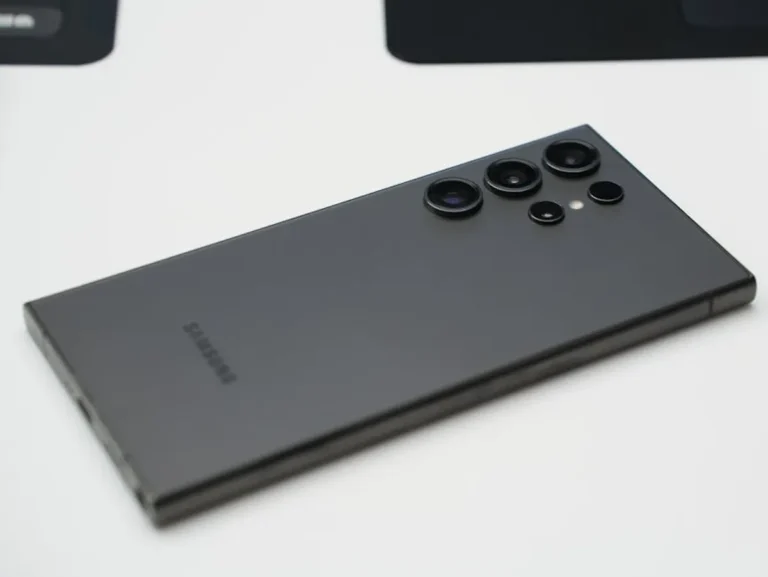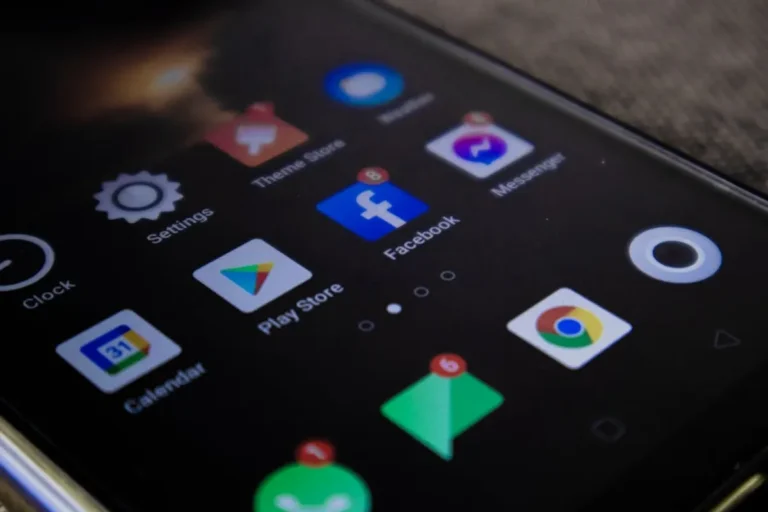
Factory Reset Protection (FRP) is a critical security feature on Android devices, designed to deter theft by linking the device to a Google account. When a device is factory reset without first removing the associated Google account, FRP activates, requiring the original account credentials to set up the device again. While this security measure is robust against unauthorized access, it can also lock out legitimate owners who have forgotten their credentials or acquired a device that was not properly disassociated from its previous owner's account. This guide explores the legitimate applications of FRP tools for device recovery, focusing on scenarios where the user has a rightful claim to the device.
Understanding Factory Reset Protection (FRP)
FRP functions as a digital lock, preventing unauthorized users from gaining access to a device after a factory reset. This mechanism was introduced with Android 5.1 Lollipop and has evolved with subsequent Android versions. Essentially, if a device is wiped via recovery mode or settings without removing the linked Google account, the device will prompt for those Google account details during the initial setup process. Without these credentials, the device remains unusable, effectively 'bricked' from the perspective of an unauthorized user. This security layer significantly reduces the incentive for device theft, as stolen devices become difficult to resell or repurpose.
Legitimate Scenarios for FRP Tool Use
While FRP is primarily a security feature, there are several legitimate circumstances where a device owner might need to bypass it using specialized tools:
- Forgotten Credentials: A common scenario where an individual forgets the Google account username or password associated with their personal device. This often happens after a long period of not needing to log in, or if the account was set up by someone else.
- Enterprise Device Management: IT departments often manage fleets of company-owned Android devices. When employees leave, or devices are reassigned, the original Google accounts may remain linked. FRP tools allow IT administrators to reset these devices for new users without needing individual employee account details, ensuring company assets remain usable.
- Second-Hand Device Acquisition: Legally purchasing a used device that was not properly wiped by the previous owner, leaving their Google account linked. In such cases, the new owner, with proof of purchase, may need to use an FRP tool to gain full control.
- Repair and Refurbishment: Technicians working on devices where the owner is unable to provide credentials for a necessary full system reset. With proper authorization, these tools facilitate the repair process.
Pro Tip: Always verify device ownership before attempting any FRP bypass. Using an FRP tool on a device you do not legitimately own or have explicit permission to modify carries significant legal and ethical risks. Proof of purchase, original packaging, or IT asset records are crucial for establishing legitimate claim.
How FRP Tools Function
FRP tools operate by exploiting specific vulnerabilities or alternate pathways within the Android operating system or device firmware to bypass the Google account verification screen. These methods can vary significantly depending on the Android version and device manufacturer. Common techniques include:
- Software Exploits: Leveraging bugs in the Android setup wizard or specific applications to access device settings or a web browser, allowing for the installation of an FRP bypass APK or direct access to Google account management.
- Firmware Flashing: In some cases, tools may flash a modified firmware or a specific bootloader version that disables or circumvents the FRP check. This method often requires more technical expertise and can be riskier.
- Test Point or EDL Mode: For certain chipsets, tools can utilize specific hardware test points or Emergency Download (EDL) mode to gain low-level access to the device's memory, allowing for direct manipulation of FRP partitions.
The effectiveness and specific steps of an FRP tool are highly dependent on the device model, Android version, and the security patches installed. Newer Android versions often patch previously known vulnerabilities, requiring tools to constantly adapt.
Key Factors When Evaluating an FRP Tool
When selecting an FRP tool for legitimate recovery, consider these practical aspects:
- Device Compatibility: Ensure the tool specifically supports your device's manufacturer, model, and Android version. Tools often list their supported range.
- Reliability and Success Rate: Look for tools with a documented history of successful bypasses for similar devices. While no tool guarantees 100% success, a higher reported success rate indicates better development and maintenance.
- Data Preservation: Most FRP bypass methods involve a factory reset, meaning all user data will be wiped. If data preservation is critical and a backup exists, ensure the tool's process aligns with that expectation. Some advanced methods might claim data preservation, but these are rare for FRP.
- Technical Support: Given the technical nature of FRP bypass, accessible and responsive technical support can be invaluable if you encounter issues.
- Cost Structure: Tools vary in pricing, from one-time licenses to subscription models or per-device charges. Evaluate the cost against your specific recovery needs.
- Ease of Use: Some tools offer graphical user interfaces (GUIs) that simplify the process, while others require command-line knowledge. Choose a tool that matches your technical comfort level.
The General FRP Recovery Workflow
While specific steps vary by tool and device, a general workflow for legitimate FRP recovery includes:
- Device Preparation: Ensure the device is fully charged and, if possible, backed up (though FRP bypass usually implies data wipe). You will typically need a stable internet connection and a computer.
- Tool Setup: Install the chosen FRP tool on your computer and any necessary device drivers.
- Connect Device: Connect your Android device to the computer, often in a specific mode like Download Mode, Fastboot Mode, or EDL Mode, as instructed by the tool.
- Initiate Bypass: Follow the tool's instructions to start the FRP bypass process. This may involve selecting device details, confirming actions, or executing specific commands.
- Monitor Progress: Observe the tool's progress and any on-screen prompts. Do not disconnect the device prematurely.
- Post-Bypass Setup: Once the tool indicates success, disconnect the device. It should boot up to the initial setup screen without prompting for the previous Google account. Set up the device with a new, secure Google account.
Navigating Device Recovery Safely
Legitimate device recovery using FRP tools can save a valuable device from becoming unusable. However, approaching this process with caution is essential. Always prioritize tools that offer clear instructions, transparent compatibility information, and a reputation for reliable performance. Understand that while these tools provide a solution for specific, legitimate problems, they also interact with core device security. Therefore, using them responsibly and ethically is paramount. Regular security updates from device manufacturers can sometimes render older FRP bypass methods ineffective, so staying informed about current solutions is also important for those managing device fleets or frequently encountering recovery scenarios.
Frequently Asked Questions about FRP Tools
- Are FRP tools legal?
- Yes, using FRP tools is legal when applied to a device you legitimately own or have explicit authorization to modify. Their legality is tied to the intent and ownership context, not the tools themselves.
- Will using an FRP tool erase my device data?
- In almost all cases, yes. FRP bypass methods typically involve a factory reset, which wipes all user data, apps, and settings from the device. Assume data will be lost unless the specific tool explicitly states and demonstrates otherwise for your device model.
- Can I use an FRP tool to unlock a stolen phone?
- Absolutely not. Using FRP tools to bypass security on a stolen device is illegal and unethical. These tools are intended for legitimate device recovery by rightful owners.
- Do FRP tools work on all Android devices?
- No. FRP tools have varying levels of compatibility based on the device manufacturer, model, Android version, and security patch level. Always verify the tool's specific support for your device before proceeding.