
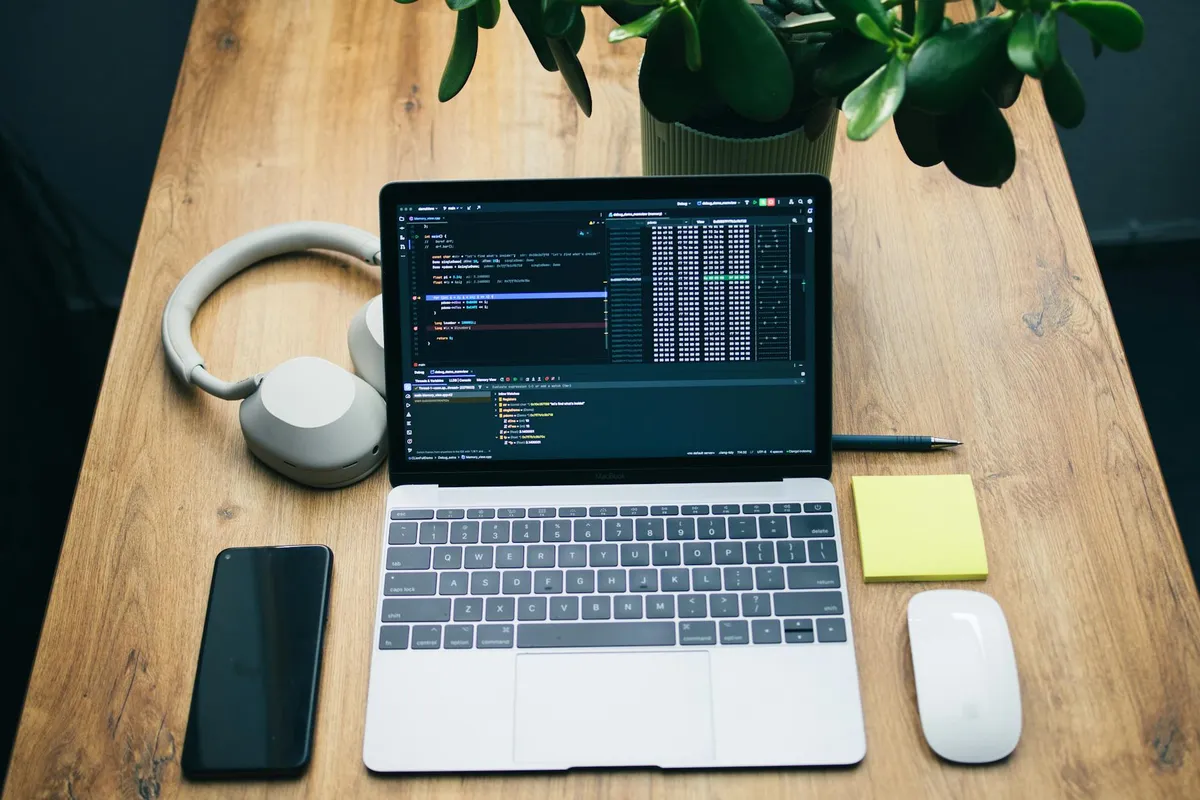
The contemporary software landscape has produced an enormous variety of tools for any conceivable task. Code editors. Terminal emulators. Note-taking applications. Project management systems. Communication platforms. Each category has dozens of viable options. New options emerge constantly.
The sheer abundance has produced a culture of constant tool optimization. Practitioners spend substantial time evaluating new tools, switching between alternatives, and customizing configurations. The implicit assumption is that better tools produce better outcomes.
The actual evidence suggests something different. Practitioners who choose few tools and master them deeply often outperform practitioners who chase tool optimization.
What deep tool mastery produces
Sustained use of the same tools across years produces several benefits that constant tool switching does not:
1. Operational fluency. Tasks that initially required conscious attention become automatic. The cognitive load of tool use approaches zero. Mental energy can focus on the actual work rather than tool operation.
2. Customization that compounds. Tool customization (configurations, shortcuts, extensions) accumulates over years of use. The customized environment produces substantial productivity advantages over default configurations.
3. Workflow integration. Long-used tools integrate with established workflows in ways that newly-adopted tools cannot replicate. The workflow knowledge becomes embedded in the practitioner.
4. Pattern recognition. Sustained use of the same tools produces pattern recognition for both their capabilities and their limitations. Practitioners learn what the tools can do quickly and what requires workarounds.
5. Stability for sustained work. The same tool environment day after day allows sustained projects to proceed without tool-related interruption.
These benefits compound across years of consistent use. They are not available to practitioners who switch tools constantly.
What tool switching costs
The costs of tool switching are real but often invisible:
Learning curve overhead. Each new tool requires investment to use effectively. The investment is recovered only through extended use.
Lost customization. Tool-specific customization does not transfer to new tools. Years of accumulated configuration must be recreated or abandoned.
Workflow disruption. Established workflows must be redesigned around new tools. The disruption affects work for weeks after switching.
Cognitive overhead during transition. Mental energy that should support actual work goes toward tool operation during the learning period.
Reduced pattern recognition. The pattern recognition built up for the old tool does not transfer to the new tool.
These costs exceed the productivity benefits of most tool switches. The net effect of frequent tool switching is typically negative productivity.
When tool switching does make sense
Despite the general principle, some tool switching is justified:
- Current tool genuinely cannot accomplish necessary work
- Available alternative provides substantial capability advantage
- Current tool is being abandoned by its developers
- Major workflow changes warrant reevaluation
- Career or context changes require different tools
Tool switches in these contexts produce net positive outcomes. Tool switches outside these contexts typically do not.
The minimum viable tool set
Most practitioners benefit from substantially fewer tools than they typically use. A minimum viable tool set for software development:
- One code editor or IDE
- One terminal emulator
- One version control client
- One note-taking application
- One project tracking tool (or just the notes application)
- One communication tool
- One browser with developer tools
That is essentially the working set. Additional specialized tools may be needed occasionally but the daily working set is small.
Practitioners who maintain disciplined working sets produce better outcomes than practitioners who maintain extensive tool collections that rotate constantly.
The "best tool" fallacy
The pursuit of the "best tool" for each task assumes that tool choice substantially affects outcomes. The actual evidence suggests that operational fluency with chosen tools matters more than the specific choice.
Practitioners with deep mastery of competent tools typically produce better outcomes than practitioners with surface knowledge of optimal tools. The "best" version of the wrong tool with deep mastery beats the "best" tool with shallow knowledge.
This means the question of which tool to use is less important than the question of how committed to use it. Commitment produces mastery; mastery produces outcomes.
The cultural counter-current
The discipline of choosing few tools and mastering them deeply runs counter to substantial portions of contemporary technical culture. The technical culture tends to:
- Reward enthusiasm for new tools
- Treat tool choice as personal expression
- Conflate tool sophistication with practitioner sophistication
- Generate constant content about tool comparisons
- Implicitly punish tool stability as conservatism
Practitioners who commit to fewer tools may face cultural pressure that does not match their actual outcomes. The cultural rewards favor tool optimization; the actual outcomes favor tool mastery.
The historical practitioners
Looking at practitioners who have produced substantial work over decades, the pattern of few tools mastered deeply is consistent. Distinguished writers who use the same word processor for decades. Distinguished programmers who use the same editor for decades. Distinguished designers who use the same software for decades.
The consistency of tool use across long careers is striking. The deep mastery enables work that would not be possible with constantly changing tools.
This pattern is not accidental. It reflects how skill development actually works. Sustained engagement with the same tools produces capability that constant switching prevents.
What this means in practice
For practitioners considering their tool choices:
1. Resist tool switching unless genuinely justified. The default should be continued use of current tools.
2. Invest in deep mastery of current tools. Customization, learning advanced features, integrating with workflow.
3. Treat tool optimization as expensive distraction from actual work. Time spent comparing tools is usually time stolen from work the tools support.
4. Accept that current tools may not be optimal. The cost of switching usually exceeds the benefit of optimization.
5. Focus on outcomes produced by current tools rather than potential outcomes from different tools.
This discipline produces better long-term outcomes than constant optimization despite feeling less satisfying in the moment.
A closing observation
The tools available to contemporary practitioners are remarkable. The variety, capability, and sophistication of available software exceeds anything previous generations had access to.
The abundance has not produced proportionate productivity gains. In many cases it has produced productivity losses through constant tool switching and optimization.
The discipline of choosing few tools and mastering them deeply is unfashionable but effective. Practitioners who maintain this discipline often outperform practitioners who chase tool optimization.
The work is what matters. The tools are how the work happens. Mastery of the tools enables the work; constant tool switching prevents it.